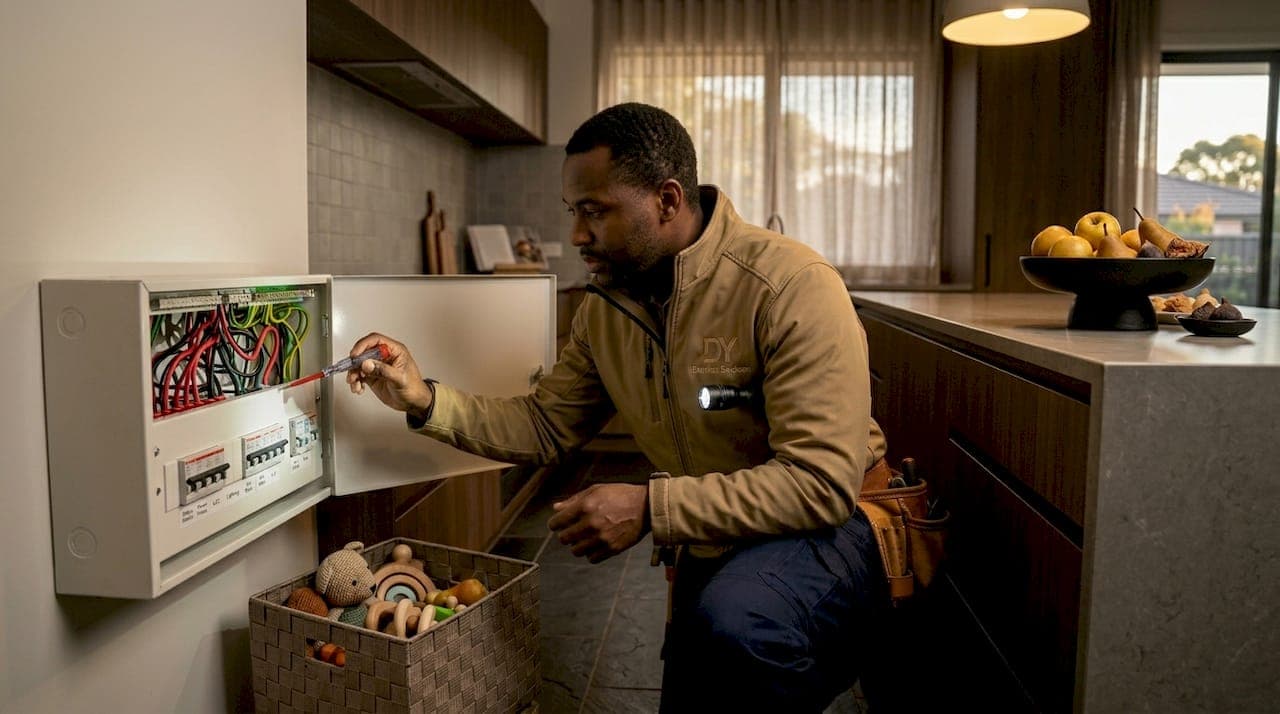
When something goes wrong with your electrics, the last thing you need is confusion about who to call or what happens next. Understanding how emergency electrical services work can mean the difference between a fast, safe resolution and a situation that spirals into property damage or serious injury. Industry data shows that electrical contractors miss around 40% of emergency inbound calls, which means knowing the process, and choosing the right provider, matters more than most homeowners realise.
Table of Contents
- Key takeaways
- How emergency electrical services work
- When to call an emergency electrician
- The step-by-step emergency electrical repair process
- What to do before the electrician arrives
- Choosing the right emergency electrical provider
- My take on the mistakes people make during electrical emergencies
- Need an emergency electrician in Logan or Brisbane?
- FAQ
Key takeaways
| Point | Details |
|---|---|
| Recognise true emergencies | Sparking, burning smells, smoke, and electric shocks all require an immediate call, not a wait-and-see approach. |
| The process is structured | Emergency electrical response follows a clear sequence: intake, inspection, diagnosis, repair, and verification. |
| Safety before the electrician arrives | Switching off your main breaker and staying clear of affected areas reduces risk while you wait. |
| Choose a licensed, responsive provider | Certifications, 24/7 availability, and transparent pricing are non-negotiable when selecting emergency help. |
| Communication is part of the service | A good electrician explains the issue, the fix, and the timeline in plain language, not technical jargon. |
How emergency electrical services work
The phrase "emergency electrical services" covers a specific category of electrical response. These are not routine jobs booked a week in advance. They are situations where a licensed electrician needs to attend your property urgently, often outside of standard business hours, because the risk to safety or property is immediate.
The emergency electrical services process follows a structured sequence from your first call through to a verified, safe repair. That structure exists because electrical faults are unpredictable, and trained professionals need a consistent method to assess and contain risk quickly.
Most homeowners picture an emergency electrician as someone who simply shows up and fixes a fuse. The reality is considerably more methodical. Every step, from the moment you pick up the phone, is designed to protect you, your household, and the integrity of your electrical system.
When to call an emergency electrician
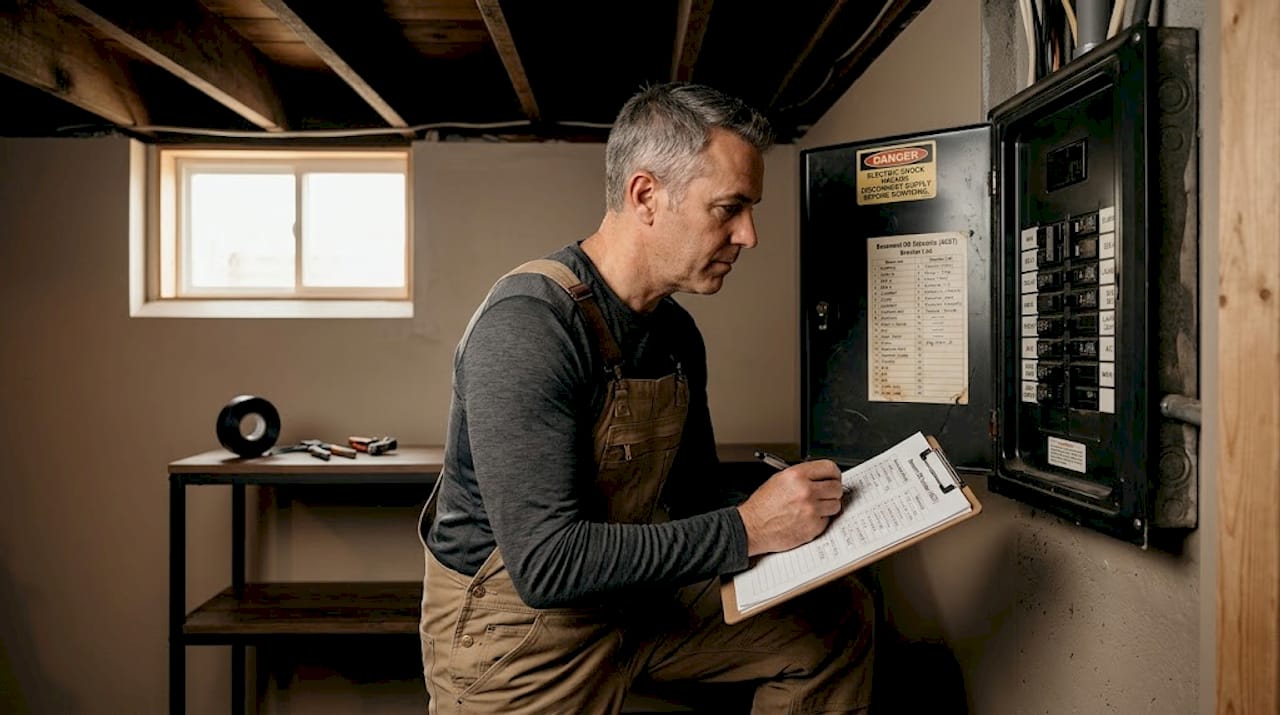
Not every electrical issue is an emergency. Knowing the difference protects you from unnecessary call-out fees and helps you prioritise correctly when something genuinely dangerous occurs.
These situations require an immediate call to an emergency electrician:
- Sparking or arcing from an outlet, switchboard, or appliance
- Burning smells coming from walls, power points, or the meter box, even without visible smoke
- Smoke or visible scorch marks near any electrical fitting or panel
- Electric shocks received from touching a switch, appliance, or outlet
- Complete power loss that cannot be explained by a tripped breaker or a local outage
- Flickering lights throughout the property, not just one room or one fitting
- Warm or hot power points and outlet covers, which signal underlying electrical stress and fire risk
- Repeated breaker trips on the same circuit, which indicate a fault that will not resolve itself
Situations that can typically wait for a standard booking include a single non-functioning power point with no other symptoms, a light globe that has blown, or a minor fault with one appliance. If you are genuinely unsure, check out these warning signs to help you decide before you call.
The danger of delaying is real. Many homeowners underestimate flickering lights or a tripped breaker as minor inconveniences, when they are often the earliest signals of a fault that can escalate to a house fire within hours. DIY attempts on live circuits without proper training and equipment carry a serious risk of electrocution and can void your home insurance.
The step-by-step emergency electrical repair process
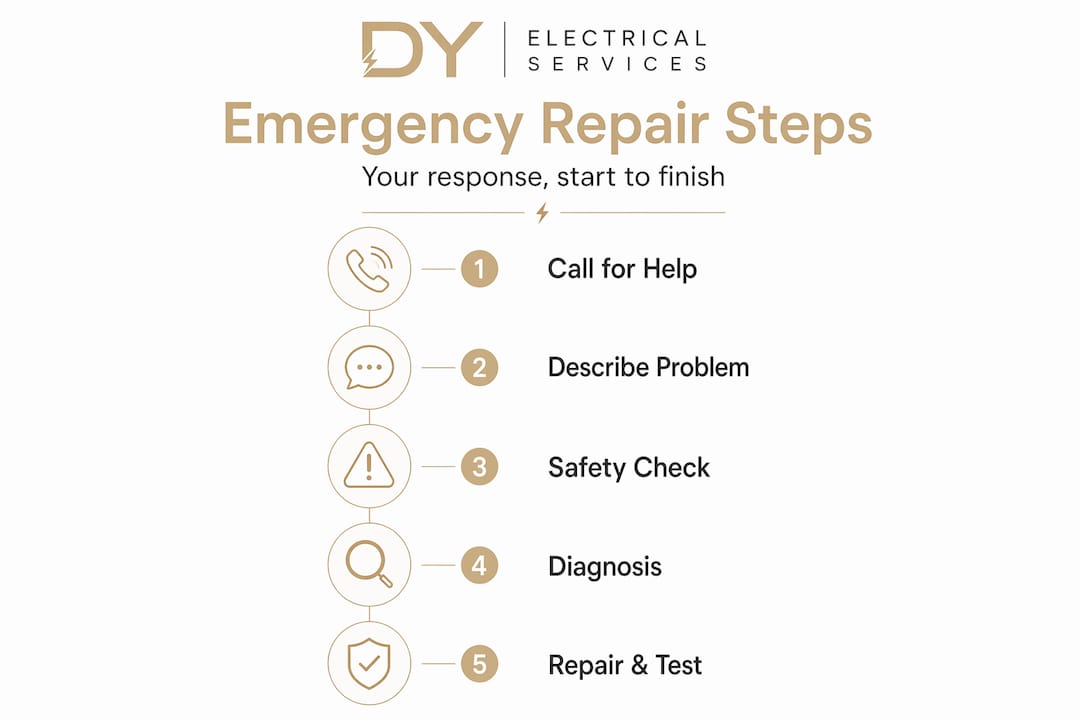
Understanding the steps in emergency electrical repair removes the uncertainty that makes these situations feel overwhelming. Here is exactly what happens from your first call to the moment the job is complete.
-
Initial intake and information gathering. When you call, the operator or dispatcher collects key details: your address, the nature of the fault, whether there is visible smoke or sparking, and whether you have already isolated the power. This information determines urgency and helps the attending electrician prepare before arriving.
-
Rapid dispatch. A qualified electrician is assigned and heads to your property. Response times vary by provider and location, but reputable services operating in areas like Logan and Brisbane Southside aim to attend within one to two hours for genuine emergencies.
-
On-site inspection and diagnostics. On arrival, the electrician conducts a thorough visual and diagnostic inspection, checking panels, breakers, outlets, and wiring. They use testing equipment to identify faults that are not visible to the naked eye.
-
Root cause diagnosis. Identifying the symptom is not enough. The electrician traces the fault to its source, whether that is a failed component, overloaded circuit, damaged wiring, or a faulty switchboard. This step prevents a repeat of the same fault after the visit.
-
Stabilisation or immediate repair. Depending on the severity, the electrician either makes a complete repair on the spot or implements a safe temporary measure to remove the immediate danger. Licensed electricians carry out repairs that meet Australian safety codes, which matters for your insurance and your long-term safety.
-
Final verification and safety checks. Before leaving, the electrician tests the repaired circuit or system to confirm it is operating correctly. They check that no secondary faults were introduced during the repair and that the property is safe to use normally.
-
Plain-language explanation. A professional explains the issue clearly, what caused it, what was done to fix it, and whether any follow-up work is recommended. You should never leave an emergency visit without understanding what happened and what to watch for next.
Pro Tip: Before the electrician arrives, write down exactly what you noticed and when. The more specific you can be about symptoms, the faster the diagnosis. "The lights flickered for three days before the breaker tripped this morning" is far more useful than "something went wrong."
What to do before the electrician arrives
Your actions in the first few minutes of an electrical emergency have a direct impact on safety outcomes. These steps are practical, safe for a non-tradesperson to carry out, and they make the electrician's job faster when they arrive.
- Shut off the main breaker if it is safe to reach the switchboard without crossing through smoke, water, or a sparking area. Isolating the circuit or the whole board immediately reduces the risk of shock and fire spread.
- Do not touch exposed wiring or attempt to unplug appliances from a sparking outlet. Stand back and keep others away from the area.
- Evacuate if there is smoke or fire. Call 000 before you call an electrician if there is any sign of active fire. Electrical fires can travel through wall cavities faster than they appear on the surface.
- Keep the area clear. Move furniture, rugs, and stored items away from the affected zone so the electrician has immediate access to the switchboard, outlets, and affected circuits.
- Avoid using water near any electrical fault. Water conducts electricity, and even a small amount near live wiring can be fatal.
- Do not reset a repeatedly tripping breaker. If a breaker keeps tripping, there is a reason. Resetting it without understanding the cause can cause the fault to worsen or start a fire.
Pro Tip: Take a photo of your switchboard before any emergency occurs and save it on your phone. When you call for help, you can describe which breakers have tripped and which circuits are affected. This saves time and helps the dispatcher assess urgency accurately.
Property managers in particular benefit from having a clear emergency coordination plan in place before a fault occurs, because they often need to act on behalf of tenants quickly and across multiple properties.
Choosing the right emergency electrical provider
Not all emergency electrical services are equal. When you are stressed and something is wrong with your electrics, you need a provider you can trust from the moment you call.
Here is what to look for when selecting an emergency electrician:
| What to check | Why it matters |
|---|---|
| Licensed and insured | Protects you legally and guarantees the work meets Australian safety standards |
| 24/7 availability | Electrical faults do not keep business hours; you need someone who answers at 2am |
| Transparent pricing | You should receive a clear estimate before work begins, not a surprise invoice after |
| Fast response time | The longer a fault goes unaddressed, the greater the risk to property and safety |
| Clear communication | A good electrician explains what they find and what it will cost before they start |
| Verified reviews | Recent, specific customer reviews indicate consistent service quality |
The technology a provider uses also matters more than most people realise. AI-powered dispatch systems significantly improve response outcomes by capturing calls that would otherwise go unanswered. Given that nearly half of emergency calls to electrical contractors go unanswered without dedicated systems, this is worth asking about when you research providers.
When you contact an emergency electrician, pay attention to how they handle the call. Do they ask the right questions? Do they give you a realistic timeframe? Do they tell you what to do while you wait? These are signals of a professional operation, not just a tradesperson with a phone.
My take on the mistakes people make during electrical emergencies
I've seen a pattern repeat itself more times than I'd like. A homeowner notices something, a warm power point, a light that flickers every few days, a breaker that trips once and then seems fine. They tell themselves it's probably nothing. They wait. Then three weeks later, they're calling at midnight with smoke coming through a wall cavity.
The truth is that electrical faults rarely announce themselves dramatically from the start. They build. What looks like a minor nuisance is often a system under stress, and the gap between "probably nothing" and "serious fire risk" is shorter than most people expect.
What I've learned from working in this industry is that the homeowners who have the best outcomes are the ones who call early, describe what they've seen accurately, and stay out of the way once help is on its way. They don't try to reset the breaker five times. They don't attempt to inspect the wiring themselves. They isolate the power if it's safe, keep everyone clear, and let a licensed professional do what they're trained to do.
The other thing worth saying plainly: a good emergency electrician does not make you feel like you wasted their time by calling. If the issue turns out to be minor, that is a good outcome. The cost of a call-out is nothing compared to the cost of a house fire or a serious injury.
— Dayne
Need an emergency electrician in Logan or Brisbane?
When something goes wrong with your electrics, you need a team that picks up the phone and gets there fast. Dyelectricalservices provides 24/7 emergency electrical response across Logan, Brisbane Southside, and the Northern Gold Coast. Every job is handled by a licensed electrician who communicates clearly, works tidily, and does not leave until the fault is fully resolved.

Beyond emergency response, Dyelectricalservices also handles switchboard upgrades for properties running older panels that are at risk of failure, and lighting and power upgrades for homeowners who want to reduce the chance of future faults. If you are a homeowner or property manager who wants reliable, professional electrical support, visit dyelectricalservices.com.au or call directly to speak with someone who will actually answer.
FAQ
What counts as an electrical emergency?
Sparking, burning smells, smoke, electric shocks, and repeated breaker trips all qualify as electrical emergencies requiring an immediate call to a licensed electrician. A single blown globe or one non-functioning power point with no other symptoms can usually wait for a standard booking.
How long does an emergency electrician take to arrive?
Response times depend on your location and the provider, but reputable services in metro and suburban areas like Logan and Brisbane Southside typically aim to attend within one to two hours of your call.
What should I do while waiting for the electrician?
Shut off your main breaker if it is safe to do so, keep everyone away from the affected area, and do not attempt any repairs yourself. If there is smoke or fire, evacuate and call 000 first.
How does the emergency electrical repair process work?
The structured response process moves through intake, on-site inspection, diagnosis, repair or stabilisation, and final verification. The electrician should explain each step and the outcome before leaving your property.
How do I choose a reliable emergency electrician?
Look for a licensed and insured provider with 24/7 availability, transparent pricing, fast response times, and verifiable customer reviews. Providers using dedicated dispatch systems are less likely to miss your call during a genuine emergency.
Recommended
- Signs you need an emergency electrician — and when it can wait | DY Electrical Services
- 24/7 Emergency Electrician Brisbane & Logan | DY Electrical Services
- Property Manager Electrician | Logan, Brisbane Southside & Gold Coast | DY Electrical Services
- Electrical for Commercial Clients | DY Electrical Services