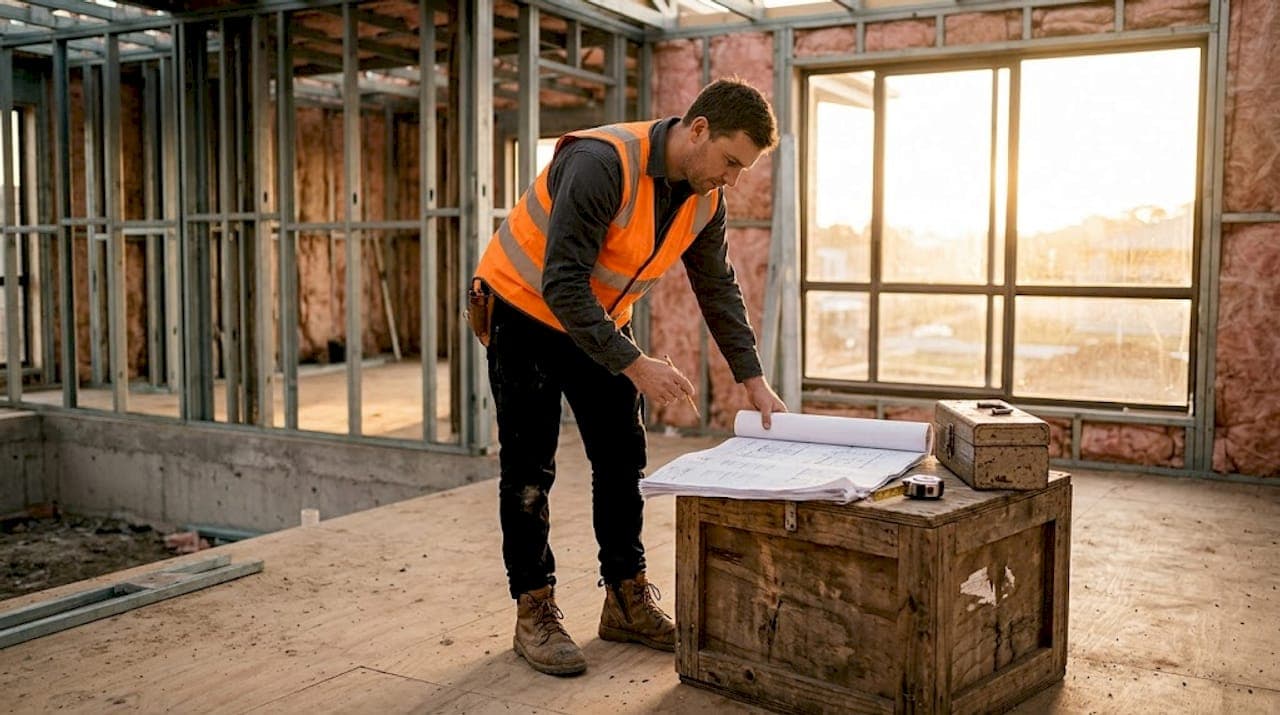
Building a new home is one of the most complex projects you'll ever manage, and electrical work sits right at the centre of it. When you fail to coordinate electrician during home build phases properly, the consequences compound fast: missed rough-in windows, failed inspections, costly rework, and a build schedule that falls apart. The electrical contractor touches nearly every other trade on site, from framing to HVAC to plumbing, which means poor coordination doesn't just affect the wiring. It affects everything. This guide walks you through exactly what to prepare, when to act, and how to keep things on track from the first nail to the final inspection.
Table of Contents
- Key takeaways
- What to sort out before you hire electrician for new home
- Scheduling and coordinating electrical work during the build
- Common mistakes that derail electrical coordination
- Verifying the work meets standards before moving forward
- My honest take on coordinating electricians in a new build
- Building with Dyelectricalservices from day one
- FAQ
Key takeaways
| Point | Details |
|---|---|
| Start early with your electrician | Involve your electrician during the design phase to catch load and layout issues before work begins. |
| Verify licences before work starts | Only licensed electricians can legally pull permits and pass inspections in Queensland. |
| Rough-in timing is non-negotiable | Missing the rough-in window before walls close means expensive rework and schedule blowouts. |
| Coordinate all trades together | Electricians, plumbers, and HVAC contractors must sequence their work to avoid conflicts inside walls. |
| Document everything as you go | Keep records of inspections, approvals, and completed work for warranties and future maintenance. |
What to sort out before you hire electrician for new home
Getting your preparation right before the first wire is pulled saves you from the most common and expensive mistakes on a new build. Most homeowners focus on the visual side of their home and leave electrical planning too late. That's where the trouble starts.
Understand your home's electrical requirements
Before you even speak to an electrician, you need a realistic picture of what your home will demand. Standard new homes typically require 200-amp service, but larger homes over 3,500 square feet may need 400-amp to accommodate modern electrical loads like EV chargers, ducted air conditioning, and electric cooktops. If you're planning a home theatre, a workshop, or solar with battery storage, those loads matter from day one.
Think about future-proofing too. Adding a circuit later is far more expensive than running conduit during the build.
Verify licences and insurance
This is not a step to skim over. Licensed electricians are legally required to pull permits and perform compliant work to pass inspections. In Queensland, you can verify an electrician's licence through the Queensland Building and Construction Commission (QBCC). Ask for their licence number before signing anything. Uninsured work puts your home, your warranty, and your safety at risk.
Here's a quick checklist before you commit to an electrician:
- Confirm their QBCC licence number and check it is current
- Ask for proof of public liability and professional indemnity insurance
- Request references from at least two recent new build projects
- Clarify who will be on site daily versus who holds the licence
- Confirm they have experience with permits and inspections in your local council area
Lock in your electrical plans before work begins
An electrician can only work from what's on paper. If your floor plan is still changing, your electrical plan is still changing. Involving electricians during design reduces costly plan errors before installation, because they can identify issues like insufficient circuit capacity or poor outlet placement before a single cable is run.
| Electrical planning stage | What to finalise |
|---|---|
| Design phase | Outlet locations, lighting zones, switchboard position |
| Pre-permit | Service size, circuit layout, specialty systems (EV, solar) |
| Pre-rough-in | Confirmed cable routes, penetration points with other trades |
| Pre-final | Fixture selections, smart home integration, appliance specs |
Pro Tip: Ask your electrician to attend at least one design meeting with your builder and architect. One conversation at that stage is worth ten phone calls during the build.
Understand permits and inspections ahead of time
Submitting permits early and scheduling inspections proactively minimises wait times and project delays. Permit approval times vary by council and by workload, so your electrician should be lodging paperwork well before work is due to start. Ask them directly: "When will you lodge the permit, and what's the expected turnaround?" If they can't answer that clearly, that tells you something.
Scheduling and coordinating electrical work during the build
Once your preparation is solid, the real coordination work begins. This is where most homeowners either hold things together or watch them unravel.
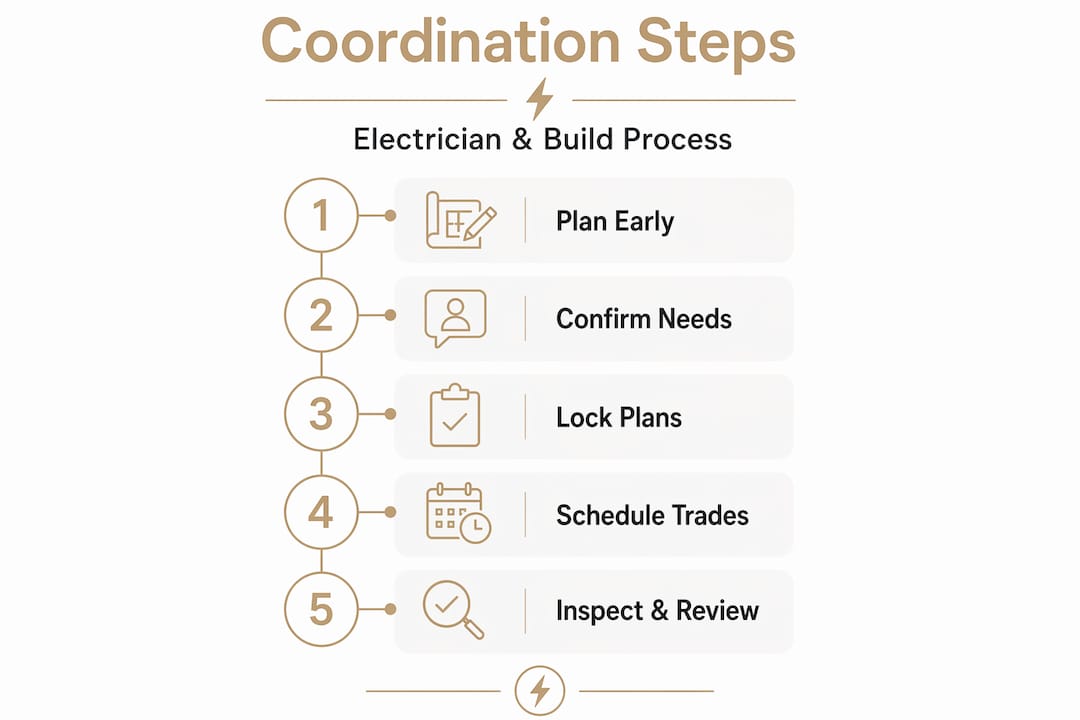
Step-by-step coordination through the build phases
-
Before framing starts: Meet with your electrician, builder, plumber, and HVAC contractor together. Joint planning meetings prevent installation conflicts inside walls and ceilings before they become physical problems.
-
During framing: Your electrician should be on site to mark cable routes, confirm penetration points, and communicate with the framer about load-bearing walls that affect wiring paths.
-
Rough-in phase: This is the most time-critical stage. The rough-in phase is the last chance to install wiring before walls close. Every outlet, switch, and specialty circuit must be in place before drywall goes up. A missed circuit at this stage means cutting into finished walls later.
-
Rough-in inspection: Your electrician books this with the building department. Do not allow drywall to proceed until this inspection is passed and signed off. Full stop.
-
Lock-up to fit-off: Once walls are closed, the electrician returns for second fix work: installing fixtures, switches, power points, and the switchboard. This phase requires confirmed fixture selections, so have those decisions made well in advance.
-
Final inspection: Your electrician must be present. This inspection covers everything from circuit labelling to earthing compliance. Failing here delays your occupation certificate.
Managing specialty trades alongside main electrical work
EV charger installation, home automation, security systems, and solar are all specialty electrical works that need to be coordinated with your main electrician. Misalignment between specialty trades and main electricians can cause delays and inspection failures that push back your entire project. If you're planning an EV charger at home, that conduit and circuit needs to be factored into the rough-in, not bolted on as an afterthought.
The practical approach is to have one point of contact, usually your main electrician, who coordinates with specialty installers. That way, nothing gets missed and no two trades are fighting for the same wall cavity.
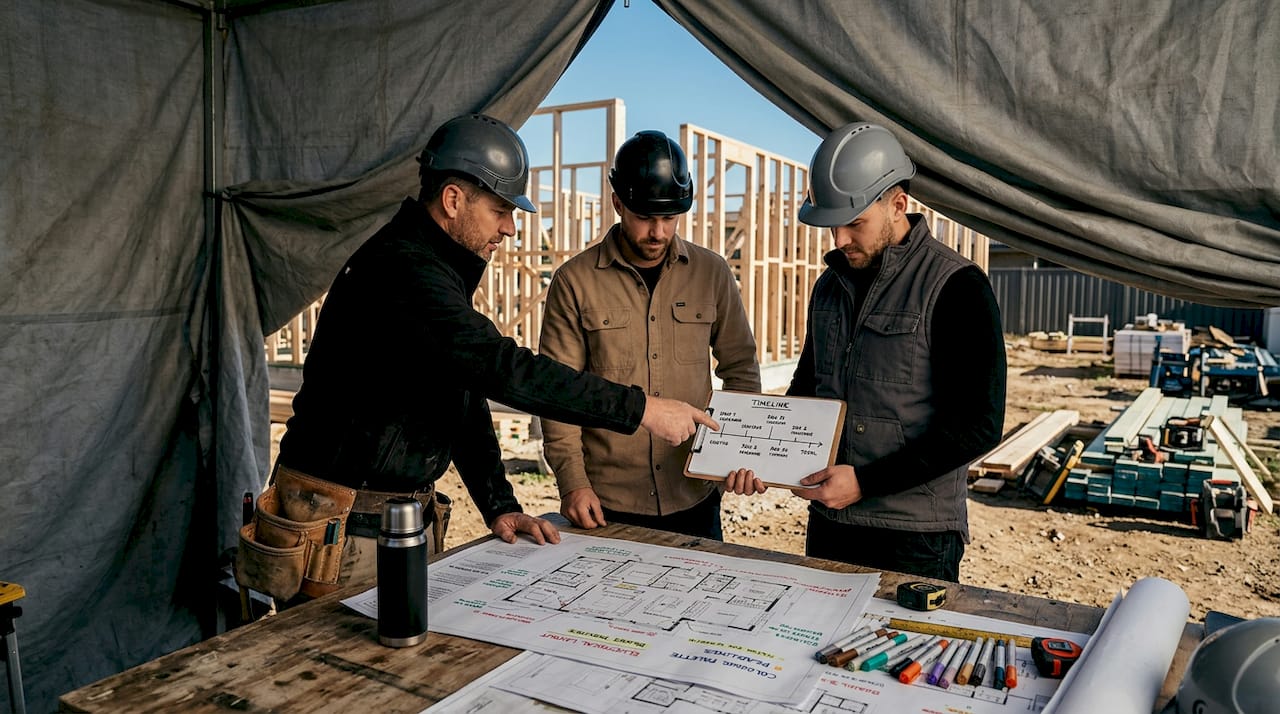
Pro Tip: Build a shared schedule document with your builder, electrician, and key trades. A simple spreadsheet with dates, milestones, and contact numbers prevents the "I thought you were handling that" conversations that cost weeks.
Keeping communication consistent throughout the build
Good trade sequencing and communication prevents installation conflicts and inspection failures. Set up a weekly check-in with your builder and ask for electrical milestones to be reported at each meeting. When your electrician is off site, know who to call and what the next scheduled visit looks like. Gaps in communication are where delays breed.
Common mistakes that derail electrical coordination
Even well-prepared homeowners run into trouble. Knowing the most common pitfalls in advance means you can spot them early and act before they cascade.
- Using unlicensed labour: This is the single fastest way to fail an inspection and void your building warranty. Permits and inspections simply won't proceed for unlicensed work, and rectification is expensive.
- Making late design changes: Changing the kitchen layout after rough-in means moving power points, potentially rerouting circuits, and rebooking inspections. Freeze your electrical design before the rough-in phase begins.
- Failing to align specialty trades: Home automation installers, solar contractors, and EV charger specialists all need to know what the main electrician has roughed in. Without that dialogue, you get duplicated work or missing infrastructure.
- Ignoring permit lead times: Assuming permits will be approved quickly is a gamble. Delays in permit submission or approval can stall electrical work and cascade through the entire build schedule.
- Not documenting inspections: Every passed inspection should be recorded with the inspector's sign-off, date, and scope. You'll need this for your occupation certificate, your home warranty, and any future renovation work.
"Coordination is the most influential factor in electrical timelines. Specialty trade misalignment stalls finishing work and inspections more than any other single issue on a new build."
If a coordination problem does emerge, address it directly and immediately. Call a meeting with all affected trades, identify the cause, and agree on a revised sequence in writing. Hoping it resolves itself is not a strategy.
Verifying the work meets standards before moving forward
Completing the work is not the same as completing it correctly. Here's how to verify your electrician's work at each stage before you allow the build to progress.
-
After rough-in: Walk the site with your electrician and confirm every outlet, switch, and specialty circuit location against your electrical plan. Check that cable routes avoid plumbing lines and HVAC ducts where possible.
-
After rough-in inspection: Obtain the signed inspection certificate. Do not proceed to drywall without it.
-
Before fit-off: Confirm all fixture selections are finalised and on site. Delays in fixture delivery are one of the most common reasons fit-off gets pushed back.
-
After fit-off: Test every circuit, outlet, and switch before the final inspection. Your electrician should do this as standard practice. If they don't offer it, ask for it explicitly.
-
After final inspection: Collect all compliance certificates, inspection records, and warranty documentation. Store these with your home's building records. You will need them if you ever sell, renovate, or make an insurance claim.
When general contractors have established electrician relationships, the verification process tends to be smoother because both parties know the standard expected. If you're managing trades independently, be more deliberate about checking off each stage yourself.
Pro Tip: Ask your electrician to provide a circuit directory for your switchboard at handover. A clearly labelled board saves hours of guesswork during any future fault-finding or renovation work.
My honest take on coordinating electricians in a new build
I've worked alongside builders and homeowners on new builds across Logan, Brisbane Southside, and the Northern Gold Coast, and the pattern is always the same. The builds that go smoothly are the ones where the electrician was brought in early, not as an afterthought after the floor plan was locked.
What I've found is that most homeowners underestimate how much the electrical contractor influences every other trade on site. When I'm involved from the design stage, I can flag problems before they become physical. A poorly placed switchboard, a kitchen island with no underfloor conduit, a garage wall that won't accommodate an EV circuit without major rework. These are all things that cost almost nothing to fix on paper and a great deal to fix in timber and plaster.
The other thing I'd push back on is the idea that any licensed electrician will do. Licensing is the floor, not the ceiling. What you want is an electrician who communicates clearly, shows up when they say they will, and understands how their work fits into the broader build sequence. Tidy workmanship matters too. Messy cable runs and unlabelled circuits become someone else's problem during every future renovation or inspection.
My practical advice: get your electrician on the phone before your builder has even broken ground. Have them review your plans. Ask them what they'd change. That one conversation will save you more time and money than any other single decision you make during the build.
— Dayne
Building with Dyelectricalservices from day one
If you're planning a new build in Logan, Brisbane Southside, or the Northern Gold Coast, Dyelectricalservices works directly with builders and homeowners to manage electrical coordination from design through to final inspection.

As electrical contractors for builders and renovators, the team at Dyelectricalservices handles permits, inspections, rough-in scheduling, and specialty installations including EV charger installation and smart home wiring. Every job is completed by fully licensed electricians who understand Queensland compliance requirements and how to work within a build schedule without creating delays for other trades. Homeowners consistently highlight clear communication and tidy workmanship as the things that set Dyelectricalservices apart. If you want your electrical work to run without drama, reach out early. The earlier the conversation starts, the better the outcome.
FAQ
When should I involve an electrician in a new home build?
Involve your electrician during the design phase, before permits are lodged. Early electrician involvement allows them to identify load capacity issues and outlet placement problems before installation begins, saving significant time and cost.
What happens if I miss the rough-in window?
Missing the rough-in phase means wiring must be installed after drywall is in place, which requires cutting into finished walls. This adds cost, delays the build schedule, and may require additional inspections.
How do I verify my electrician is licensed in Queensland?
Check their QBCC licence number through the Queensland Building and Construction Commission's online register. Licensed electricians are legally required to pull permits and pass inspections, so verification before work starts is non-negotiable.
How does electrical work affect other trades on site?
Electrical work requires sequencing to align with framing, plumbing, HVAC, and insulation. When trades are not coordinated, installation conflicts inside walls and ceilings cause rework and inspection failures that push back the entire schedule.
What documents should I collect after electrical work is complete?
Collect all inspection certificates, compliance certificates, and a labelled circuit directory for your switchboard. These documents are required for your occupation certificate and will be needed for any future renovation, sale, or insurance claim.
Recommended
- Electrical Contractor for Builders & Renovators | Logan & Brisbane | DY Electrical Services
- Licensed Electrician Logan, Brisbane Southside & Northern Gold Coast | DY Electrical Services
- Residential Electrician in Logan, Brisbane Southside & the Northern Gold Coast | DY Electrical Services
- Electrician Gold Coast North | Licensed Electrical Services | DY Electrical Services